
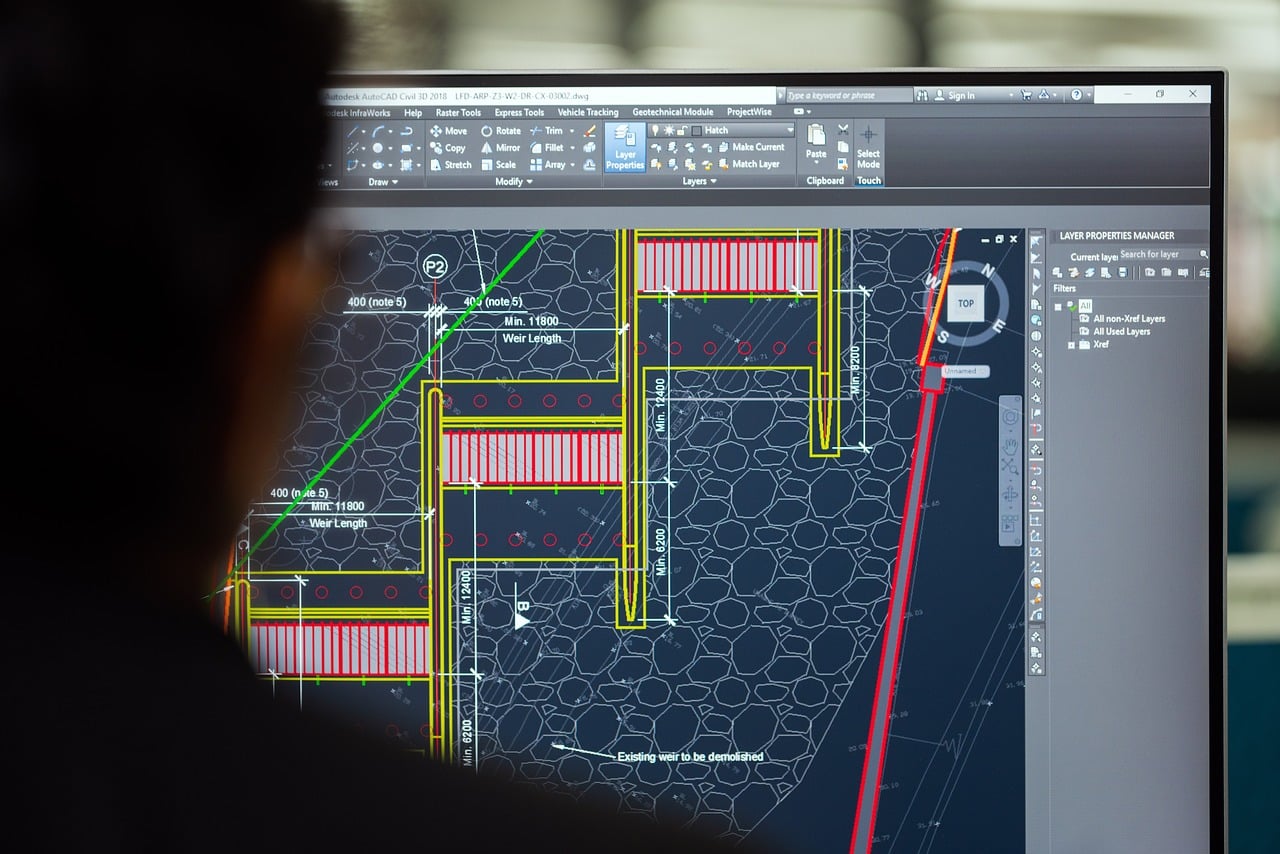
From Screen to Steel: Accelerating Production with CAD for Prototyping
March 11, 2026
Converting a digital model into a functional part is the most critical step in product development. While on-screen models help visualize geometry, they cannot fully replicate how they function in the real world. The true challenge lies in bridging the gap between a virtual design and a physical reality that can withstand actual use.
Using CAD for prototyping serves as a strategic gateway to validate your vision before you commit to hard tooling. At Texas Precision Metalcraft, we leverage your advanced digital data to transform 3D models into functional metal parts with speed and precision. This process ensures that the manufacturability of your final component is secured long before mass production begins.
The Strategic Value of Early Prototyping
Prototyping is not an optional expense. It is an insurance policy for your production run. Moving directly from digital files to mass production carries the risk of discovering flaws when they are most expensive to fix. A physical prototype allows you to test fit, form, and function in ways that no simulation can fully replicate.
Identifying interference issues or structural weaknesses during this phase using CAD for prototyping saves significant capital. Modifying a digital file is far easier and cheaper than adjusting a permanent steel mold. This proactive approach also safeguards your timeline. Validating the design upfront with a physical metal part ensures that once full-scale production begins, it proceeds without interruption.
Common Techniques for Metal Prototyping
Modern manufacturing technology has diversified the ways we can turn a digital design into a casting. Depending on your specific needs regarding volume, surface finish, and budget, there are several effective routes we can take to generate a prototype from your CAD data.
- 3D-Printed Wax Patterns: This is often the preferred method for investment casting prototypes. We can take your CAD file and print a wax pattern directly. This pattern goes straight into the standard investment casting process. It eliminates the need for an expensive metal injection die while delivering a part cast in the actual production alloy.
- PMMA (Acrylic) Patterns: Similar to printed wax, PMMA patterns are 3D printed and used in the investment casting process. They are robust and offer excellent dimensional stability. This method is particularly useful when you need a prototype that mimics the exact properties of the final cast part without the lead time of hard tooling.
- Soft Tooling: For projects that require a small run of prototypes rather than a single unit, we can create soft or temporary tooling. This involves machining a mold from softer, less expensive metals like aluminum. It is faster and cheaper than production steel tooling but allows for a higher quantity of wax patterns to be injected.
- Sand Printing: For larger components, 3D printing sand molds directly from CAD data is a game-changer. It bypasses the need for a physical pattern entirely. Molten metal is poured directly into the printed sand mold. This technique is excellent for complex geometries that might be difficult to mold using traditional methods.
- Direct Metal Laser Sintering (DMLS): While distinct from traditional casting, direct metal prototyping via DMLS prints metal powder layer by layer to create a part. This is useful for extremely complex internal geometries that cannot be cast, though casting often remains the superior choice for structural integrity and material properties in volume production.
Bridging the Gap to Production
The ultimate goal of any prototype is to pave the way for successful mass production. This is where the expertise of your foundry partner becomes invaluable. When we work with a partner for prototyping, we start by analyzing CAD files for foundry production viability to ensure the design is castable. This involves evaluating wall thickness, draft angles, and solidification paths.
When we receive a CAD file, our engineers assess it to determine the optimal gating and feeding systems. We use simulation software to predict how the metal will flow and solidify. This digital foresight allows us to make subtle adjustments to the geometry that improve quality without compromising the functionality of the part. This collaboration reduces casting lead times because we solve manufacturing challenges before they occur on the factory floor.
Speed is a competitive advantage. By integrating your digital design directly into our workflow, we eliminate manual interpretation errors and communication lags. The data flows seamlessly from your engineering team to our manufacturing floor. This integration ensures that the part you hold in your hand matches the vision you had in your head. It confirms that the transition from a prototype to a comprehensive turnkey solution will be seamless.
Partnering for Manufacturing Success
Bringing a new product to market is a journey that requires agility and foresight. Utilizing CAD for prototyping is one of the smartest decisions you can make to navigate that journey safely. It reduces financial risk, validates your engineering, and accelerates your timeline. At Texas Precision Metalcraft, we are invested in your success from the very first file upload.
We understand the unique pressures entrepreneurs face. Our team is ready to guide you through the technical nuances of casting and help you choose the right prototyping path for your budget and goals. Whether you are in the early stages of design or ready to scale, we have the expertise to make your concept a reality. Our team is standing by to help you take the next step.