
How Rapid Prototyping Drives Strategic Manufacturing Success
March 12, 2026
Speed is often the defining factor between capturing a market and falling behind the competition. In the traditional manufacturing landscape, the time required to design, tool, and produce a new component can be a significant bottleneck. This is where rapid prototyping serves as a critical accelerator.
By allowing engineers and designers to move from a digital concept to a physical object in a dramatically condensed timeframe, the rapid prototyping process fundamentally changes how products are developed. It reduces risk and encourages innovation by making the testing phase far more efficient and less capital-intensive.
Defining the Modern Prototyping Process
At its core, rapid prototyping is a group of techniques used to quickly fabricate a scale model of a physical part or assembly using three-dimensional computer-aided design (CAD) data. In the context of heavy manufacturing and metalworking, this goes beyond simple plastic models used for visual inspection. It involves creating functional test pieces that mimic the final product’s geometry and performance characteristics.
For industries that rely on precision, such as the aerospace or energy sectors, the ability to hold a physical part in hand for fit and function testing is invaluable.
Rapid prototyping eliminates the guesswork involved in reading 2D drawings or 3D models on a screen. It allows engineering teams to identify design flaws, interference issues, or assembly challenges immediately. Correcting these issues in the digital phase or early prototype stage is exponentially cheaper than discovering them after hard tooling has been manufactured.
Achieving Accelerated Product Development
The primary strategic advantage of rapid prototyping is accelerated product development. In the casting workflow for high-volume production runs, creating metal dies or molds for casting can be a time-intensive process. If a design change is required after the tooling is made, this can introduce new challenges as well. Prototyping strategies help bridge the gap by enabling an iterative design process.
The Benefits of Rapid Prototyping
Rapid prototyping means engineers can test multiple variations of a component in parallel. If a part fails a stress test or does not fit perfectly within an assembly, the design can be tweaked in the CAD software and reprinted or recast almost immediately.
This agility allows manufacturers to refine their products to a much higher degree before committing to mass production. It transforms the development cycle from a rigid, linear path into a flexible, dynamic loop where improvement is continuous and low-risk. By the time the final design is sent for hard tooling, the team can be confident that it will perform exactly as intended.
3D-Printed Casting Patterns for Prototype Testing
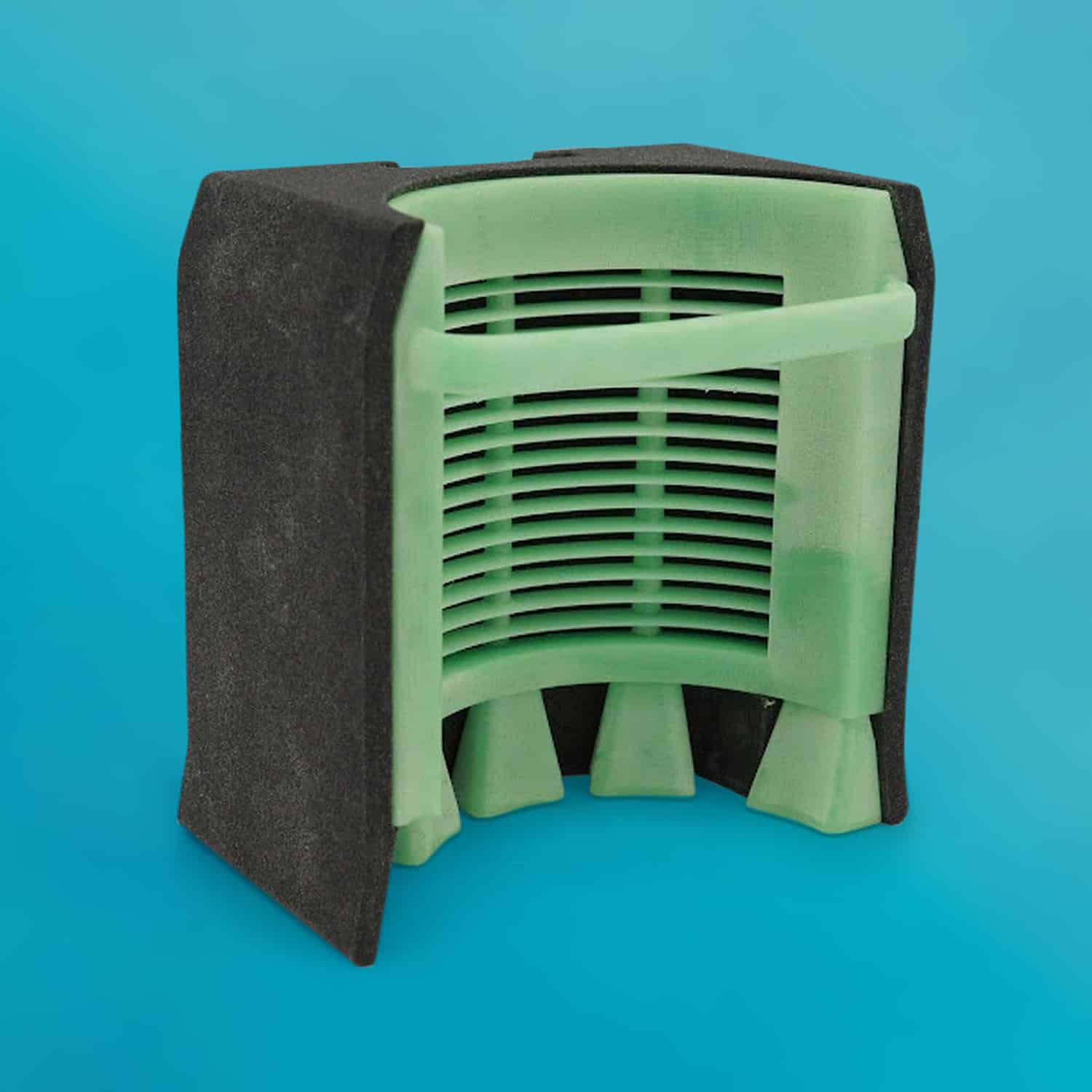
One of the most effective applications of this technology in the foundry world is the use of 3D-printed casting patterns. In standard investment casting, a metal die is used to inject wax patterns, which are then coated in ceramic to create the mold. This is incredibly effective for high-volume production runs, but is not always the best choice for prototypes.
By using 3D printing to create the pattern directly, manufacturers can bypass the metal die creation step entirely. This printed pattern is treated just like a wax pattern. It is dipped in ceramic slurry and burned out to create a cavity for molten metal. This hybrid approach allows for the creation of quick turn metal prototypes made from the actual alloy specified for the final part.
A part printed using a 3D-printed casting pattern will have the same mechanical properties, density, and thermal characteristics as the mass-produced version. This allows for rigorous functional testing under real-world conditions, providing data that plastic substitutes simply cannot offer.
Moving Forward with Confidence
Integrating agile prototyping methods into your supply chain provides a clear competitive edge. It minimizes the financial risks associated with new product launches and ensures that the final components meet strict quality standards. Whether the goal is to validate a complex geometry or to produce a small batch of parts for field testing, these advanced techniques provide the flexibility required in modern industry.
We encourage you to explore how these methods can streamline your next project. By leveraging advanced pattern production and casting expertise, you can reduce lead times and ensure your designs are production-ready from day one.