
Machining or Casting? A Guide to Choosing the Right Process for Complex Parts
November 1, 2026
Manufacturing complex metal components often comes down to one critical decision. Should you cut material away from a solid block or shape it from liquid metal? The choice between machining or casting ultimately dictates your budget, timeline, and final product quality. Engineers and procurement managers must weigh these options carefully to optimize their supply chain and ensure the long-term success of a product line.
Both methods have distinct advantages depending on where you are in the product lifecycle. While one offers speed and flexibility, the other delivers efficiency and scalability. Understanding the specific triggers for each process will help you make an informed decision that benefits your bottom line.
The Role of CNC Machining
Computer Numerical Control (CNC) machining is often the default choice for early-stage development and low-volume production. It involves subtractive manufacturing where material is removed from a solid workpiece to achieve the desired shape. This method offers incredible precision and requires no upfront tooling investment. This makes it ideal for projects where the design is still in flux or when you only need a handful of parts.
When you are machining prototypes, you have the agility to make design changes between runs without discarding expensive molds. The turnaround time is generally faster for small batches because you can go directly from a CAD file to a finished part. Machining also holds extremely tight tolerances well. However, as complexity increases, the time and waste associated with machining can drive up costs significantly.
When to Consider Converting to Casting
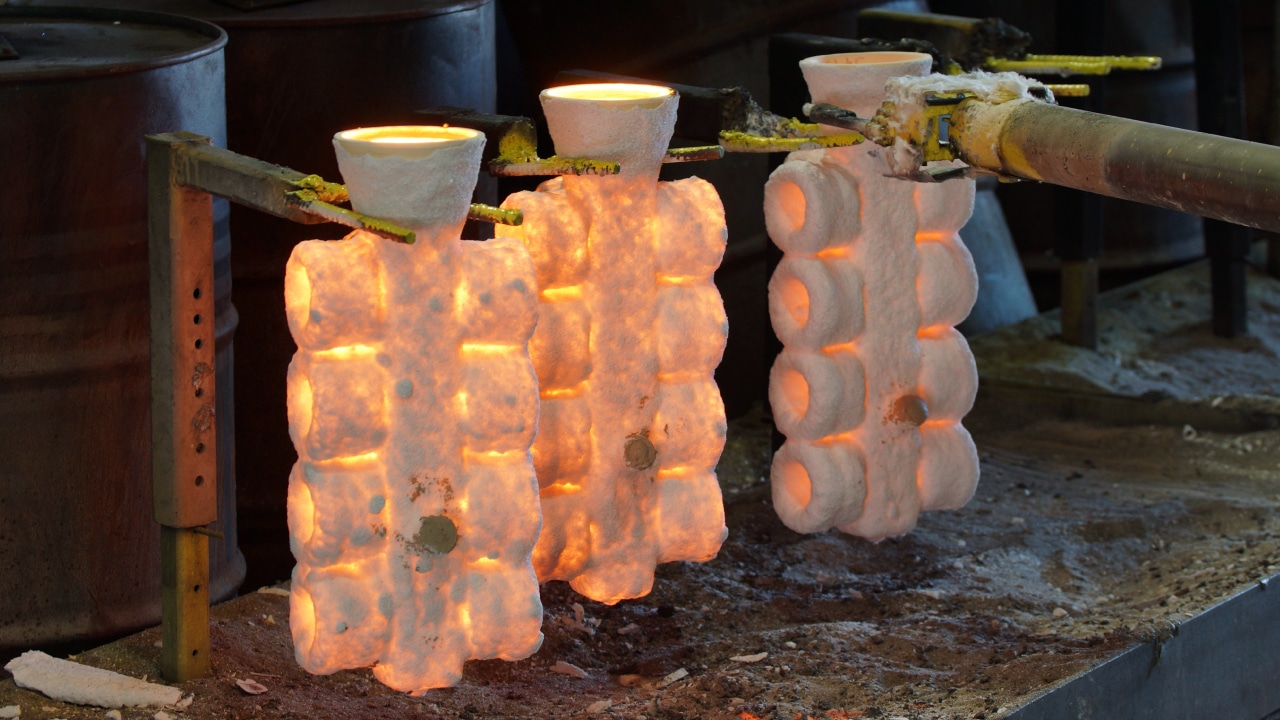
As production volumes rise, the economics of manufacturing shift. Converting machined parts to castings becomes a strategic move when you need hundreds or thousands of identical units. Investment casting excels at producing intricate geometries that would be difficult or impossible to machine efficiently. This process minimizes material waste and ensures consistency across large batches.
Investment casting allows you to consolidate multiple machined components into a single cast assembly. This reduces assembly time, eliminates welding, and removes potential failure points. It also opens up a wider range of alloy options that might be too hard or brittle to machine effectively.
If your part requires internal passageways, thin walls, or organic shapes, casting is often the superior method for achieving the final design intent.
Performing a Cost Benefit Analysis
Making the right choice requires a thorough cost benefit analysis of producing metal parts. You must look beyond the simple unit price and consider the total cost of production. Machining has low setup costs but high per-part costs due to machine time, labor, and material scrap. Casting involves higher initial tooling costs, but the per-unit price drops significantly once that tooling is amortized.
How to Choose Between Machining or Casting
To determine whether machining or casting is the right path for your specific project, you can use this simple assessment.
If you answer “yes” to most of the following questions, it may be time to explore casting options:
- Is your annual production volume projected to exceed 500 units?
- Does the part have complex internal features or undercuts?
- Are you currently machining away more than 50% of the raw material?
- Is the design finalized and unlikely to change significantly?
- Do you need to reduce the weight of the part without sacrificing strength?
- Are you using difficult-to-machine alloys like stainless steel or superalloys?
Partnering for Manufacturing Success
Navigating the transition from prototype to production requires a partner who understands both the technical and economic aspects of manufacturing. Texas Precision Metalcraft works with you to evaluate your specific needs and determine the most efficient production method. We help you identify the optimal time to switch processes so you can maximize value without compromising on quality.