
Selecting the Ideal Casting Process for Your Part Design
January 12, 2026
Bringing a metal component from a digital design to a physical reality requires making several critical decisions early in the development cycle. One of the most impactful choices you will face is selecting the method of production that best fits your budget, timeline, and quality requirements.
The right approach can reduce machining time and improve structural integrity. Choosing the wrong method often leads to delays and high costs. Engineers and procurement teams must evaluate the specific needs of their project to determine which casting process will deliver the best results.
Navigating Casting Options for Manufacturing
The metalworking industry offers a variety of techniques to shape molten metal into usable parts. Understanding the landscape of casting options for manufacturing is the first step toward optimizing your supply chain. Each method has distinct characteristics regarding surface finish, dimensional tolerance, and tooling costs.
Sand Casting for Manufacturing
Sand casting is frequently used for large components where surface finish is less critical. This method involves creating a mold from sand mixtures and is generally cost-effective for low-volume runs or massive parts.
Die Casting for Manufacturing
Die casting forces molten metal into a steel mold under high pressure. This technique is excellent for very high-volume production runs of non-ferrous metals like aluminum or zinc. However, the tooling costs for die casting are significantly higher than those usingmethods.
Investment Casting for Manufacturing
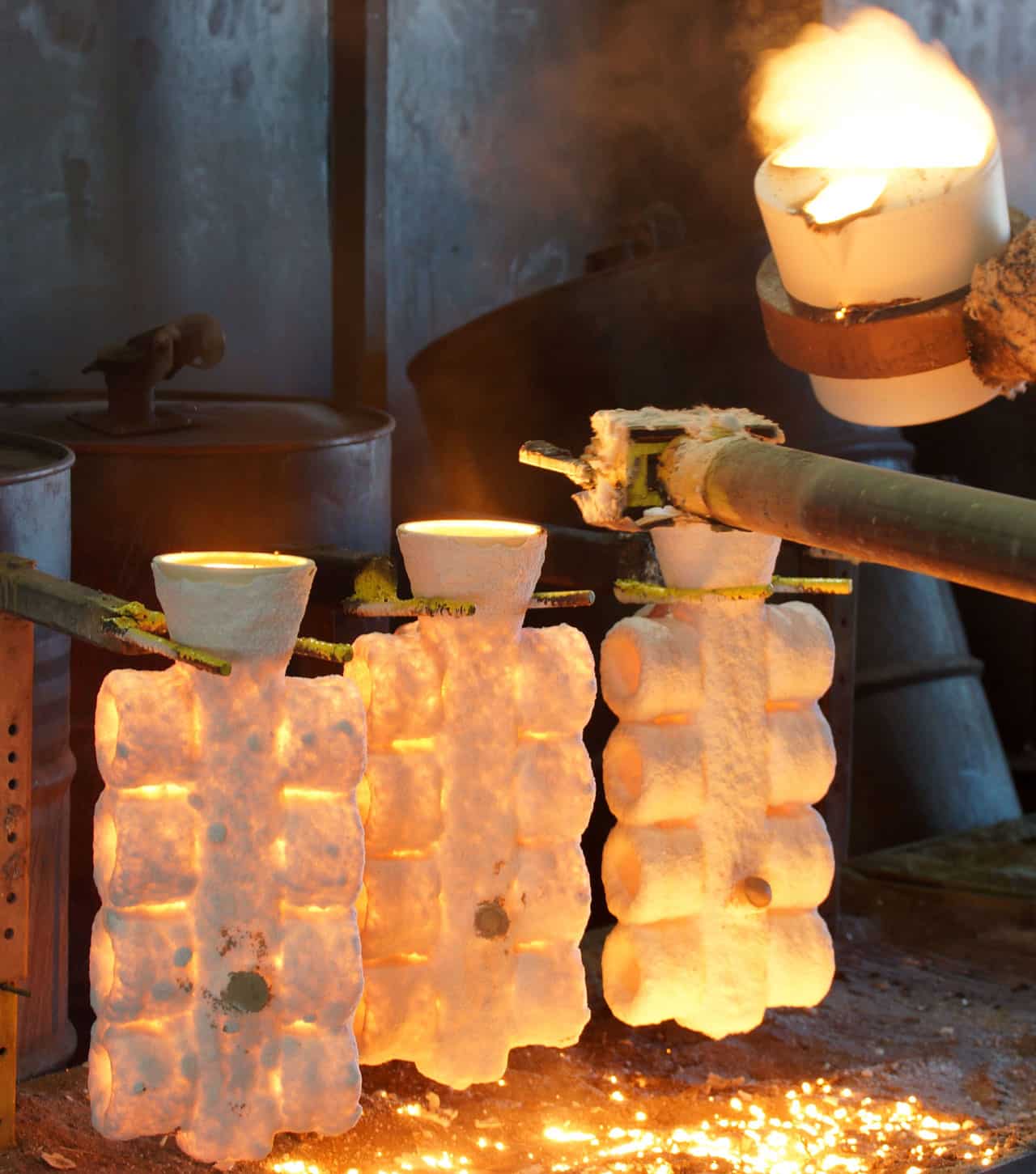
Investment casting sits in a unique position between these options. It utilizes a wax pattern encased in a ceramic shell to create molds. This technique allows for the use of a wide range of alloys, including ferrous metals, and delivers superior surface finishes compared to sand casting.
Investment Casting vs. Sand Casting
When precision is paramount, the comparison often comes down to investment casting vs. sand casting. Sand casting creates parts with a rougher surface texture that typically requires significant secondary machining to achieve tight tolerances. It is a robust process but lacks the finesse needed for intricate components.
Investment casting excels in creating smooth surfaces and precise details directly from the mold. The ceramic shell used in this process allows for finer reproduction of the pattern. This capability means you can often cast features like logos, text, and complex internal passageways that would be impossible or too costly to machine in a sand-cast part. While the initial tooling for investment casting might be more involved than a simple sand mold, the reduction in post-casting machining often results in a lower total cost per part for complex designs.
The Best Casting Method for Complex Parts
Geometric complexity is a major factor in process selection. If your design features thin walls, undercuts, or intricate internal channels, you need a method capable of replicating these details faithfully. Investment casting is widely regarded as the best casting method for complex parts because it produces near-net-shape components.
Near-net-shape manufacturing means the part comes out of the mold very close to its final dimensions. This drastically reduces material waste and the need for expensive finishing operations. Engineers gain more design freedom because they do not have to design around the limitations of machining tools or the draft angles required by other casting methods. This flexibility allows for weight reduction and the consolidation of multiple assembled parts into a single cast piece.
Investment Casting Across Industries
Different sectors rely on specific casting methods based on their unique operational demands and regulatory standards.
- Aerospace and Defense: These industries prioritize strength-to-weight ratios and precision. They frequently utilize investment casting for turbine blades, engine components, and structural parts that must meet strict safety standards.
- Medical: Manufacturers of surgical tools and implants require non-ferrous alloys and exceptional surface finishes. The high precision of investment casting makes it a standard choice for these critical applications.
- Oil and Gas: Components in this sector must withstand extreme pressure and corrosive environments. Investment casting is often preferred for valve bodies and impellers because it supports high-performance superalloys that are difficult to machine.
- General Industrial: For heavy machinery bases or large structural brackets where weight is less of a concern, sand casting is a reliable option. However, industrial equipment requiring intricate movement or assembly often shifts toward investment casting for better accuracy.
Moving Forward with Your Project
Selecting the right manufacturing path involves balancing speed, cost, and quality. A partner who understands the nuances of the casting process can help you navigate these trade-offs effectively. Whether you need a rapid prototype to validate a design or a full-scale production run for a global market, expert guidance from Texas Precision Metalcraft ensures your parts meet specifications without unnecessary delays. We encourage you to reach out to our team to discuss your specific requirements and explore how our capabilities can support your production goals.