
The TPM Process: Speed-to-Market Investment Casting
January 20, 2026
Speed to market is rarely about a single shortcut. It’s the result of disciplined processes, responsive communication, and quality systems that eliminate rework and delays before they happen. At TPM, investment casting is structured from the ground up to reduce lead times without compromising precision, material performance, or reliability.
Rather than treating speed and quality as tradeoffs, TPM integrates them into one coordinated process. The questions below reflect how that process works in practice, using the same questions customers ask when time, risk, and production schedules are on the line.
What is investment casting, and why does it support faster timelines?
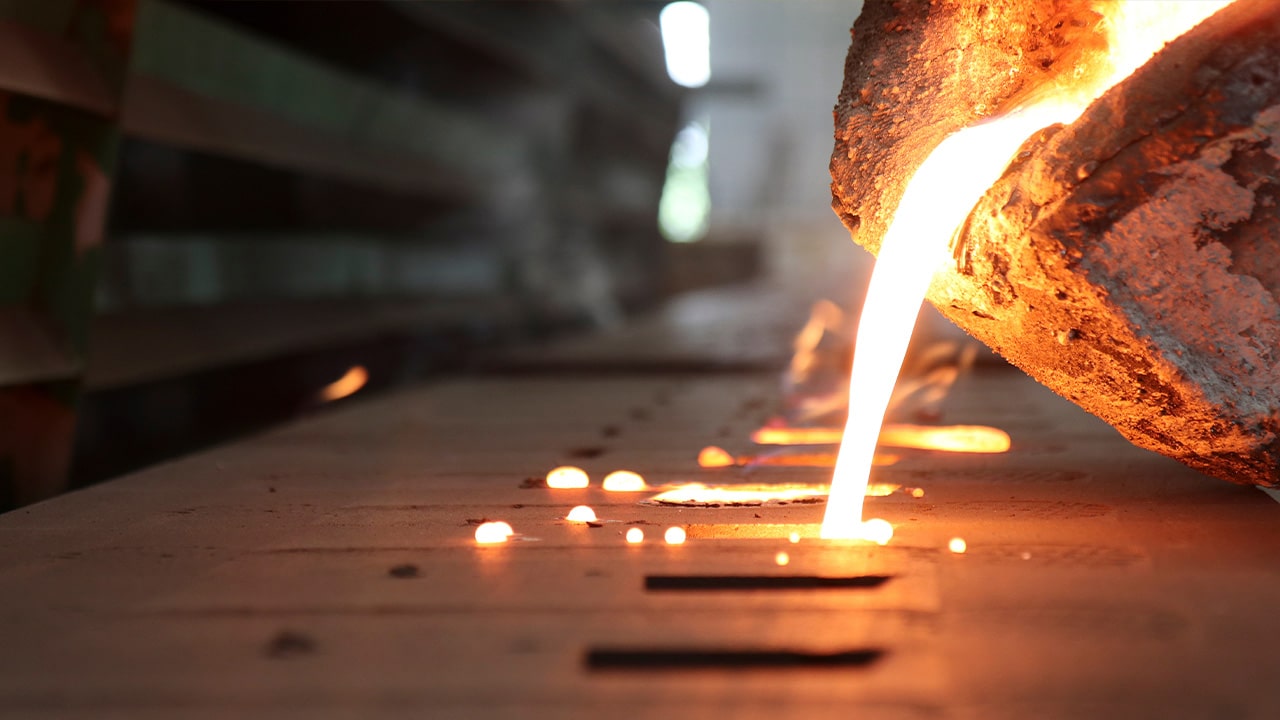
Investment casting, also known as lost wax casting, uses a wax pattern to form a ceramic mold. Once the mold is created, the wax is removed, and molten metal is poured into the cavity to form the part. The process enables tight tolerances, an excellent surface finish, and complex geometries in a single operation. By reducing the need for extensive secondary machining, investment casting shortens overall production time while improving repeatability.
How does TPM reduce industry-standard lead times?
Long lead times delay production and jeopardize time-to-revenue. While industry lead times often range from 20 to 40 weeks, TPM typically delivers parts in six to eight weeks. This speed comes from an integrated production model that combines responsive engineering, in-house tooling coordination, and a global manufacturing footprint. Depending on part size, material, and urgency, TPM leverages its Sugar Land, TX, facility or its international operations to balance speed, cost, and capacity.
Where are TPM’s manufacturing facilities located, and how does that affect lead times?
TPM’s primary facility is located in Sugar Land, Texas, supporting customers who need the shortest lead times or Made in USA production. For larger parts or cost-sensitive programs, TPM also operates internationally. This dual approach allows customers to avoid production bottlenecks while maintaining consistent quality standards across locations.
What part sizes can TPM produce quickly?
Parts produced in Sugar Land are typically smaller than a basketball, enabling rapid tooling, pouring, and inspection cycles. Larger components are manufactured offshore, where capacity and equipment are optimized for scale. This clear division ensures speed is never compromised by forcing parts into the wrong production environment.
What materials can TPM work with?
TPM works with aluminum, carbon steel, stainless steel, nickel, cobalt, and copper-based alloys. Having experience with these materials enables TPM to recommend alloys that meet performance requirements while minimizing unnecessary complexity or delays in production.
How does TPM support prototyping and early-stage design?
Getting prototype parts quickly is often the difference between hitting a launch date and missing it. TPM assists with prototyping to help customers refine designs before full-scale production begins. Engineers, sales, and customer service teams collaborate early to identify design considerations that impact tooling, material flow, and manufacturability, reducing costly revisions later in the process.
What if a part needs to be made, but no drawing exists?
When drawings or specifications are missing, TPM can reverse engineer an existing part and produce the required quantities. Customers can provide a physical sample, and TPM recreates the geometry using materials that match performance needs. This capability is especially valuable when legacy suppliers are no longer available or when documentation has been lost.
How does TPM respond when a current supplier can’t perform?
Supplier instability introduces risk into production schedules. TPM frequently steps in as a secondary supplier to reduce that risk and has taken over full production when incumbent suppliers could no longer deliver. TPM can use existing molds or create new ones, and in some cases, has begun production within as little as one week when using transferred tooling.
How does TPM ensure quality without slowing production?
Quality is built into the process from initial tool design through final inspection. TPM is ISO 9001 certified and maintains quality control checks at every stage of production. By catching issues early, TPM prevents scrap, rework, and shipment delays, allowing customers to maintain high factory throughput with consistent part quality across batches.
How does TPM handle secondary operations?
TPM provides turnkey parts, including secondary operations such as painting and finishing. Consolidating these steps under one supplier reduces handoffs, scheduling conflicts, and lead-time extensions, delivering ready-to-use components faster.
What industries benefit most from TPM’s speed-to-market approach?
TPM serves industries such as oil and gas, manufacturing, and food processing. These sectors often face tight production windows, variable demand, and high performance requirements. TPM’s ability to scale production, maintain quality, and respond quickly makes it a reliable partner in time-sensitive environments.
Can TPM support expedited or lean production requirements?
Yes. TPM offers expedited services for urgent production deadlines and supports lean production by minimizing waste, ensuring timely delivery, and continuously improving internal workflows. Faster response times and predictable delivery schedules help customers keep inventory low and operations moving.
What does responsive communication look like at TPM?
When customers need answers, they need them quickly. TPM answers the phone, provides documentation promptly, and avoids unnecessary layers of bureaucracy. Clear communication reduces delays, prevents misunderstandings, and keeps projects moving forward.
How can TPM help customers unfamiliar with investment casting?
For engineers, buyers, or managers new to investment casting, TPM provides expert guidance throughout the process. From material selection to design optimization, the team ensures customers understand tradeoffs and make informed decisions that support both performance and speed.
What is the result of the TPM process?
The TPM process is designed to remove friction at every stage, from design through delivery. Faster lead times, built-in quality, responsive service, and flexible manufacturing options combine to help customers get to market sooner with confidence. Speed is not achieved by cutting corners, but by aligning people, processes, and production to work together from the start.
Speed to market only matters if it’s repeatable, predictable, and supported by quality systems that hold up at scale. TPM’s investment casting process is built to do exactly that. By combining responsive engineering, disciplined quality control, and a flexible onshore and offshore manufacturing model, TPM helps customers move from concept to production without the delays that stall launches and disrupt revenue.
The result is not just faster castings, but a manufacturing partner structured to support long-term growth, operational stability, and confidence in every delivery.