
How Casting Solutions Uplift Water Infrastructure
Water moves communities. Clean supply, safe treatment, and dependable distribution depend on parts that survive moisture, grit, temperature swings, and duty. This is where casting solutions make a measurable difference. By matching process, material, and quality discipline to the application, utilities and OEMs can keep pumps spinning and valves sealing. The right partner understands wet, muddy, steamy, and cold environments and designs parts to endure.
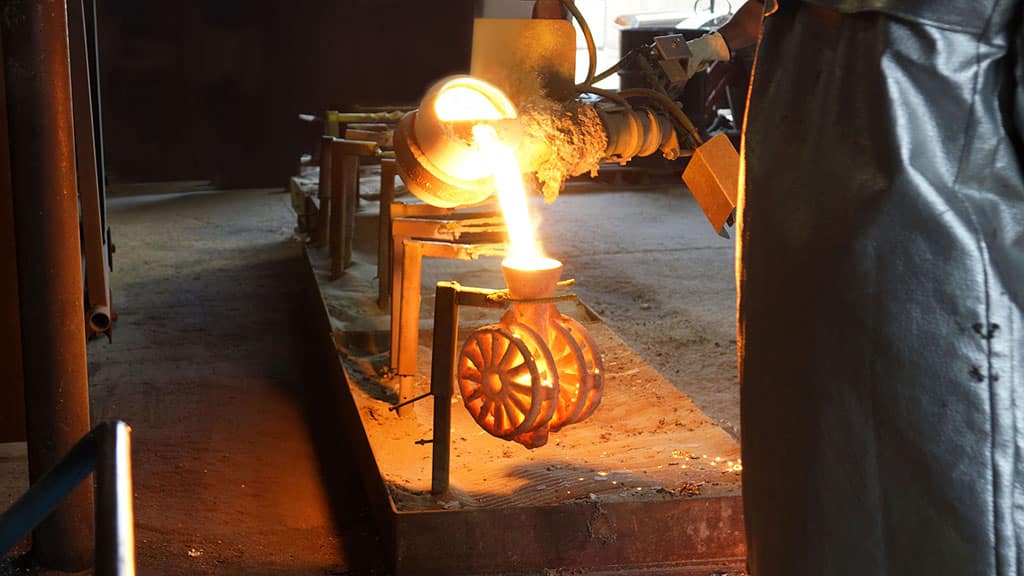
What water systems demand from cast parts
Water applications punish components. Cavitation, corrosion, and abrasive solids try to erode surfaces and open leak paths. Precision pump and valve assemblies need tight tolerances, wall thickness control, and finishes that protect sealing faces. Precision casting helps teams achieve near net geometry, smooth passages, and consistent dimensions, reduce machining time, and improve hydraulic efficiency. Reliability is the outcome.
Why investment casting fits precision pump and valve work
Investment casting shines when you need thin walls, detail, and repeatable accuracy. For impellers, diffusers, valve bodies, and actuator brackets, the process delivers complex shapes that support flow while minimizing turbulence. Seat lands come out uniform, bolt patterns align, and internal passageways remain true to design. Because investment casting produces near net shapes, there is less stock to remove, which preserves surface integrity on sealing features and shortens cycle time.
When other processes make sense
Not every part should be investment cast. Sand casting offers excellent value for larger housings and bases where size and mass outweigh small gains in surface finish. Lost foam enables intricate internal channels in complex pump components with minimal secondary work. Centrifugal casting produces dense, uniform rings and sleeves for wear resistant bushings and high pressure service. A process neutral supplier recommends the route that protects performance, schedule, and budget.
Where casting solutions show up in the water cycle
From raw water pumps to filtration skids, high service pumps, and distribution valves, cast components carry the load. Manifolds and elbows benefit from smooth interiors that reduce head loss. Impellers, wear rings, and precision pump and valve bodies rely on uniform hardness and stable dimensions. Actuator housings and brackets need stiffness without excess weight. Done well, the result is less leakage, fewer callouts, and more predictable maintenance windows.
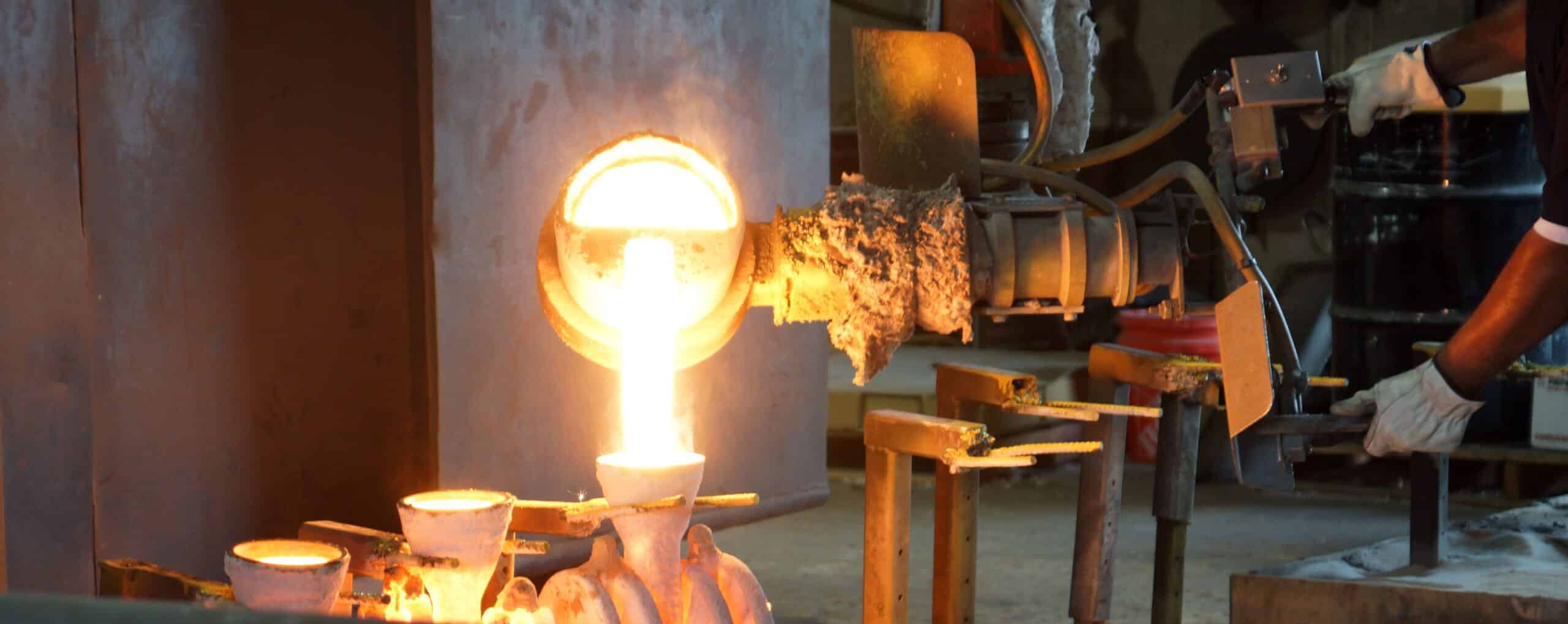
Materials that battle water and time
Material choice is non negotiable in water. Austenitic and duplex stainless steels fight chloride stress corrosion and general attack. Nickel based alloys handle hot, aggressive streams. Bronzes and specialized irons provide good bearing and galling behavior in moving assemblies. Proper heat treatment and surface prep add another layer of defense. Pair those with documented inspection, material test reports, and traceability, and your maintenance windows get longer while unplanned downtime drops.
Speed and service for real world operations
Infrastructure programs face tight milestones and real consequences when equipment slips. Choose a supplier that can review manufacturability early, quote quickly, and move from CAD to cast predictably. Short lead prototypes let teams validate fit and function before committing to production tooling. If drawings are incomplete, reverse engineering from a sample keeps critical systems online. Communities deserve durable parts and responsive support that stand up to harsh duty and deliver on time.
Reliable water is a promise communities should be able to trust. If you want a practical overview of how casting supports pumps, valves, and treatment trains, see our water industry focus. When you are evaluating impellers, valve bodies, or brackets, explore our investment casting approach to see where near net precision makes sense. When you are ready to move, start a quick feasibility review and we will return a grounded plan and timeline.