
Rapid Prototyping: How TPM Leverages Technology for Faster Turnarounds
Deadlines do not wait, and prototypes that arrive late can stall an entire program. Rapid prototyping gives engineering teams real parts fast, really, so they can test, learn, and iterate without losing momentum. At Texas Precision Metalcraft, rapid prototyping means metal fidelity, fast pathing from CAD to cast, and collaboration that keeps decisions moving.
Why metal prototypes beat plastic stand-ins
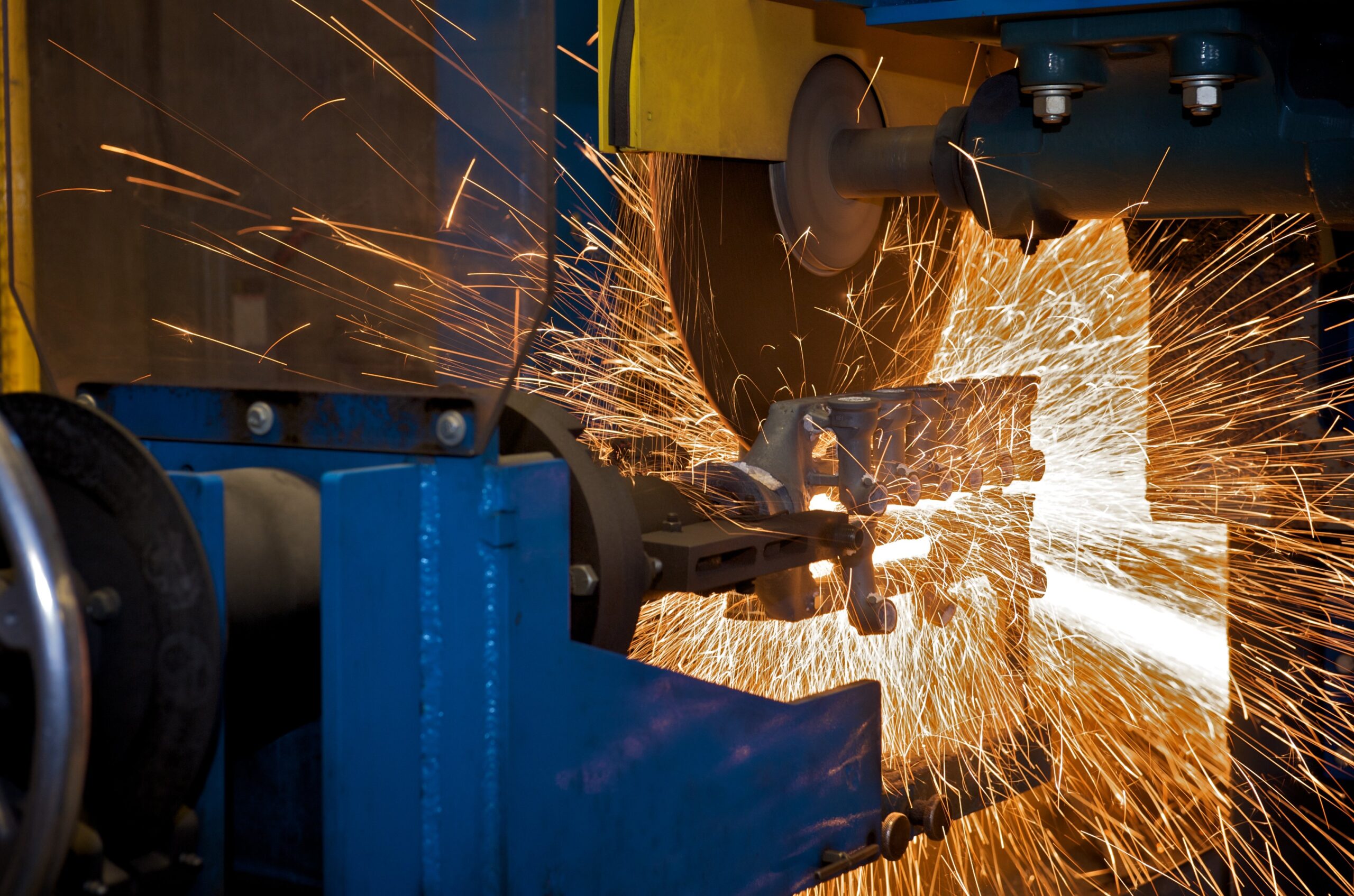
When the goal is proving fit, function, and performance, plastic mockups will not tell the whole story. TPM delivers prototypes in production grade alloys, so teams evaluate surface finish, machinability, and mechanical behavior under real conditions. That makes early tests meaningful and reduces surprises later in the build.
Use cases where speed pays off
- Form and fit checks for tight envelopes or crowded assemblies.
- Legacy part replacement when drawings are missing and uptime is at risk.
By proving ideas in metal early, teams cut redesign cycles and build confidence for the next gate.
What to look for in the best 3D printing service
If you are searching for the best 3D printing service for casting prototypes, look past machine lists. Choose a partner that blends additive with foundry expertise, supports the alloy you plan to use, and delivers inspection that mirrors production. Ask how design changes flow from CAD to pattern, how dimensional reports are shared, and how the path scales to a pilot run. TPM connects printed patterns to disciplined casting and QA, so prototypes teach you something useful about stress, sealing surfaces, and dimensional stability, not just shape. That is how a quick experiment becomes a reliable plan.
How TPM removes tooling delays
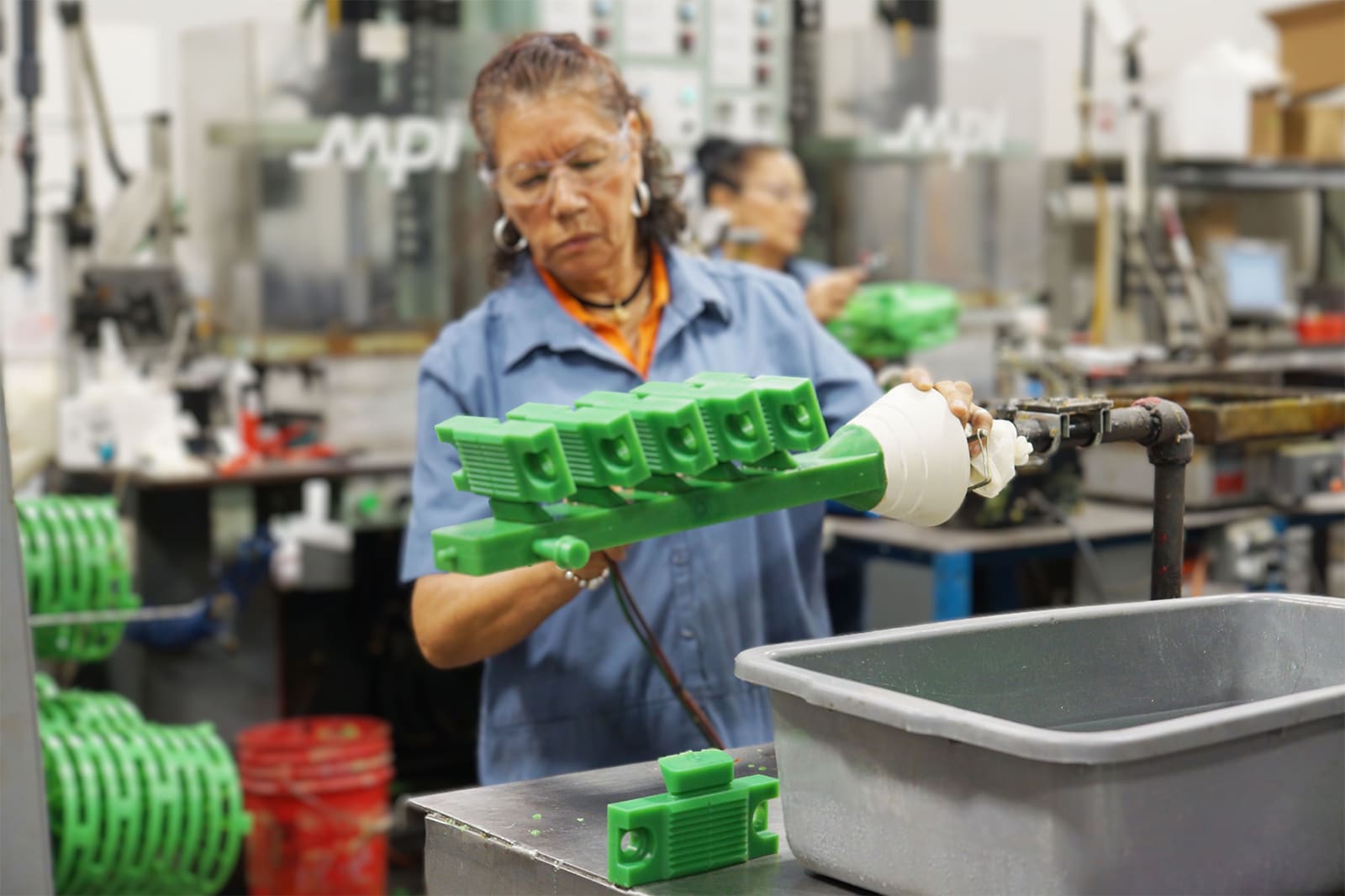
Traditional workflows burn weeks on pattern making and hard tooling. TPM uses 3D printed patterns generated directly from your CAD files, eliminating the queue and accelerating the first pour. Tooling free setups mean you can trial design options without committing budget to fixtures you might change after the first test. Our engineers collaborate on castability from day one, which shortens loops and cuts rework. Design loops are faster and clearer.
CAD to cast in about two weeks
Speed only matters if it is predictable. After finalizing a design, TPM targets first articles in roughly two weeks, with communication that sets clear expectations at each stage. That cadence lets teams plan tests and keep stakeholders aligned. When you need to revise a feature or wall, we update the pattern and pour again quickly, so learning continues without long gaps.
Collaboration you can measure
Great prototypes are a team sport. TPM keeps communication transparent, scales from a single part to a pilot run, and treats every step as a shared project, not a black box. You will know where your part stands, what is next, and how to keep the schedule intact. That rhythm reduces thrash and keeps progress visible.
From prototype to production without a reset
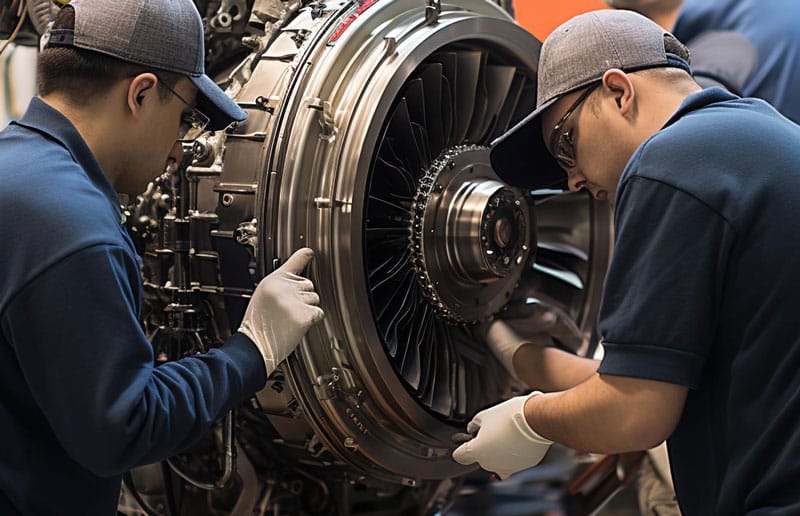
Prototypes should prove more than geometry. They should validate a path to manufacturing. Because TPM uses the same quality systems for prototypes and production, documentation, traceability, and inspection scale with you. As volumes grow, we keep the recipe, the checkpoints, and the communication cadence, which shortens onboarding and protects timelines.
Every sprint is a chance to remove risk and build confidence. If you want a clear, fast way to try your design in real metal, explore our rapid prototyping services. When you are ready to move quickly, send your CAD file for a feasibility check. To understand how investment casting supports near net prototypes, visit our investment casting overview.